MONTES AUTO SPA · AUTOMOTIVE WINDOW TINT
Ohio Window Tint Laws (2026): What's Legal in Columbus
A plain-language guide to Ohio’s tint rules, so you can pick a shade that looks great and stays legal.
| Window | Ohio rule | What it means |
|---|---|---|
| Windshield | Non-reflective tint on the top 5 inches only | Visor strip only. No full-windshield film. |
| Front side windows | 50% or lighter (±3%), glass + film combined | Measured through glass and film together. 70% film is the safe choice. |
| Back side windows | Any darkness | Choose any shade. |
| Rear glass | Any darkness | Choose any shade. |
| Reflective / mirrored film | Not allowed on any window | We install non-reflective film only. |
| Colors | No red or yellow tint | We install neutral HITEK shades. |
THE 50% TRAP
Why 50% film usually reads under 50%
Ohio does not measure the film. It measures the light that passes through the window, which means the glass and the film combined. Factory automotive glass is not perfectly clear. Most side glass already blocks some visible light before any film goes on.
Those numbers multiply. If your factory glass lets through about 75% of light and you add a 50% film, the window now passes about 75% × 50% ≈ 37%. That is well under Ohio’s 50% limit, even with the ±3% tolerance. So a “50% tint” on factory glass usually reads under 50% and fails.
That is why 70% film is the safe choice for front side windows. On most factory glass, 70% film keeps the combined reading at or above 50%. Jr. checks the combined reading and will never sell you a front shade darker than Ohio allows.
FRONT VS. BACK
Which shades can I run?
Visible light transmission (VLT)
Lower percentage. Darker glass.
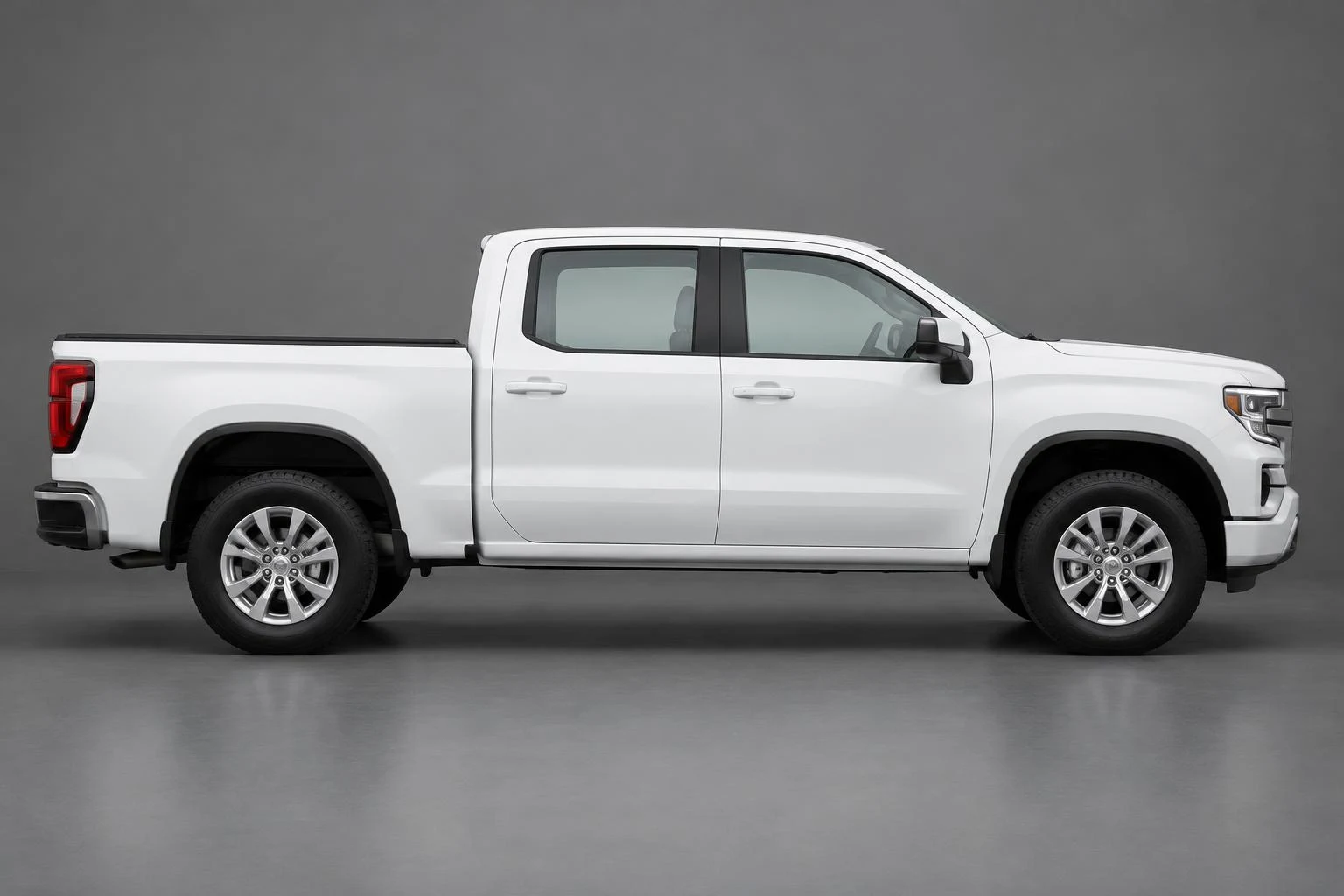
Suggested front-side film choice; confirm the installed glass + film reads 50% or lighter.
Ohio’s front side windows must measure 50% or lighter through glass and film combined. Factory glass plus 50% film usually reads below the limit. Even 70% film needs a combined measurement. Preview is illustrative, not a guarantee of appearance or legal compliance.
Ohio window tint lawsMEDICAL EXEMPTIONS
Medical exemption overview
Ohio offers a medical exemption for drivers with certain conditions that require extra protection from sunlight. An exemption generally depends on documentation from a licensed physician and must be kept with the vehicle.
Requirements and paperwork can change. Confirm the current requirements with the state, such as the Ohio Bureau of Motor Vehicles or Ohio Department of Public Safety, before asking for tint darker than the standard limits.
STRAIGHT ANSWERS
Ohio tint law FAQ
Still have a question?
Ask Jr. directly.
REFERENCES
Sources & disclaimer
- Ohio Revised Code (ORC) 4513.241 – Window tinting
- Ohio Administrative Code (OAC) 4501-41-03 – Window tinting standards
This page is a general summary for drivers and is not legal advice. Laws and enforcement can change; check the current code and with the state for your situation. Last updated October 14, 2026.
LET’S TALK ABOUT YOUR VEHICLE
Good tint starts with
a good conversation.
Talk film, shade, and your next install directly with Jr.